Blog / Book-publishing / Finding-a-literary-agent
How To Write A Query Letter That Gets You Noticed

Table of Contents
- Query Letter Structure and Essential Components
- Crafting an Irresistible Hook Paragraph
- Selecting and Presenting Comparison Titles
- Writing Compelling Plot Summary Without Spoilers
- Author Bio Strategy and Platform Building
- Personalization and Agent Research Tactics
- Common Query Letter Mistakes That Guarantee Rejection
- Frequently Asked Questions
Query Letter Structure and Essential Components
Agents read hundreds each month. A clean structure helps you rise. One page, four tight paragraphs, clear finish.
Start with real personalization
Lead with a reason for this agent. Show research, not flattery.
- Dear Ms. Rivera,
- I enjoyed your interview on First Draft about voice-driven fantasy. You mentioned a wish for witchy settings with high stakes. My novel aligns with that interest.
- Your client Maria Chen’s The Maple Street Pact blends community and mystery. My story shares tone and reader target.
Two lines suffice. Name, source, link if helpful, and the bridge to your project.
Mini-exercise: write three versions of this opener using three different specifics. Keep each under 40 words.
Follow with a hook paragraph
One sentence, two if needed. Protagonist, goal, obstacle, stakes. For nonfiction, problem and promise for a defined audience.
- Fiction example: Seventeen-year-old witch Maya must steal her coven’s grimoire before the solstice or lose her magic and her brother to a rival clan.
- Nonfiction example: Burnout Reset offers a four-week plan for mid-career nurses to reduce fatigue, backed by original surveys and hospital case studies.
Use concrete nouns and active verbs. Avoid backstory, lore, or rhetorical questions. Tension belongs here, not in a later paragraph.
Quick test: read the hook to a friend without context. If eyes light up, you’re close. If eyebrows pinch, revise for clarity or stakes.
Add book details early
Give agents a frame fast.
- Title in caps: THE WITCH KEEPER
- Category and subgenre: YA contemporary fantasy
- Word count: 83,000 words
- Comps: For readers of These Witches Don’t Burn and The Nature of Witches
One sentence pulls this together.
Example: THE WITCH KEEPER is a YA contemporary fantasy at 83,000 words for readers of These Witches Don’t Burn and The Nature of Witches.
Avoid movies and decades-old hits. Pick comps from the last two to three years. Match tone and audience.
Keep the whole message to one page
Target 250 to 300 words in the body. Agents skim. Tight wins.
A simple shape:
- Personalization, one to two lines
- Hook, one to two lines
- One short summary line if needed to show setting or wrinkle
- Book details line
- Bio, two to three lines
- Polite close
Cut filler and side plots. Strip adjectives that add haze. If a line repeats an idea, remove or combine.
Mini-exercise: paste your query into a counter. Trim to 280 words. Read aloud. Mark any stumble. Smooth those spots.
Close with a focused bio
Share credentials that support the book. Short and relevant beats long and friendly.
Good inclusions:
- Writing credits, awards, residencies, MFA programs
- Professional experience tied to subject, research, or setting
- Platform numbers for nonfiction with real reach
- Prior books with publisher and year
Examples:
- My short fiction appears in Clarkesworld and Lightspeed. I hold an MFA from Iowa.
- I am a board-certified ER nurse with ten years on night shift. I speak at state nursing conferences and host the Shift Notes podcast, 15,000 monthly downloads.
- This is my first novel.
Skip hobbies, pets, and family unless they directly inform expertise on the page.
Professional email format
Subject line:
- Query: THE WITCH KEEPER, YA Fantasy
Email body only unless guidelines invite attachments. Use a standard font, black text, and a readable size. No images, logos, or colored text.
Greeting:
- Dear Ms. Rivera,
Spacing and polish:
- Single space within paragraphs, one blank line between paragraphs
- Clean left alignment
- No Track Changes or comments in pasted pages
Contact block under your name:
- Full name
- Website or portfolio link
- City and state, optional
- Phone and email
If guidelines request sample pages, paste below the signature. Honor requested length and format. Keep scene breaks clear with simple symbols like ###.
A quick template you can adapt
- Greeting and personalization: two lines
- Hook: one tight line
- One clarifying line, optional
- Book details: one line with title, category, word count, comps
- Bio: two to three lines with credentials or relevant experience
- Closing line: Thank you for your time and consideration.
- Signature: name and contact
Fill this, then trim until every line earns space.
Final checklist before sending
- Agent name spelled correctly
- Clear reason for the match
- Hook with goal, obstacle, and stakes or problem and promise
- Title, category, word count, recent comps
- Bio with pertinent credentials
- One-page length in the body, 250 to 300 words
- Professional subject line and clean format
- Pages pasted only when requested
You control clarity. Give agents a reason to lean in, then get out of the way. Send a sharp letter, and let the pages do the heavy lift.
Crafting an Irresistible Hook Paragraph
Your hook paragraph does one job: make an agent want to read your pages. Not summarize your plot. Not explain your world. Make them lean forward and think, "Tell me more."
Most writers fail here because they think hooks need backstory. Wrong. Hooks need tension.
The fiction formula that works
[Protagonist] wants [goal] but faces [obstacle] and must [choice/action] or else [consequences].
This formula forces you to identify what drives your story. Not what happens in your story. What drives it.
Let's break this down:
- Protagonist: Be specific. "Seventeen-year-old witch Maya" tells me more than "a young woman with magical abilities."
- Goal: What does your character want right now? Not their life dream. Their immediate, pressing need.
- Obstacle: What blocks them? Make it personal and immediate.
- Choice: What decision must they make? Passive things happening to characters bore agents.
- Consequences: Why does this matter? What happens if they fail?
Here's the formula in action:
Seventeen-year-old Maya must steal her coven's ancient grimoire before the blood moon or watch her younger brother die from a curse meant for her.
Notice what's missing: no backstory about how Maya became a witch, no explanation of coven politics, no description of the magical world. Just immediate tension.
Start in the middle of conflict
Agents read dozens of queries daily. They spot setup language immediately:
Setup language (avoid):
- "When Maya discovers she's a witch..."
- "After her parents die in a car crash..."
- "In a world where magic is forbidden..."
Conflict language (use):
- "Maya has three days to steal..."
- "The curse spreading through Maya's veins..."
- "Maya's brother will die unless..."
See the difference? Setup tells us what happened before. Conflict drops us into the problem right now.
Try this exercise: Find the moment in your story where everything goes wrong for your protagonist. Start your hook there.
Use active voice and specific details
Passive voice kills momentum. Active voice creates urgency.
Passive: "Maya is faced with an impossible choice."
Active: "Maya must choose between saving her brother and destroying her coven."
Specific details beat vague descriptions every time:
Vague: "A young woman discovers her magical heritage."
Specific: "Twenty-two-year-old barista Emma learns she's the last dragon shifter in Seattle."
The specifics tell agents you know your character and world. Vague language suggests you don't.
What not to include in your hook
Rhetorical questions: "What would you do if you discovered you had magical powers?" Don't make agents work to understand your premise.
Generic descriptions: Skip "epic journey," "life-changing adventure," "world-shattering secret." These phrases say nothing about your specific story.
Spoilers: Stop before the climax. Create intrigue, don't solve it.
World-building: Save the magic system, political structure, and fantasy geography for your pages.
Multiple characters: Focus on your protagonist. Side characters muddy the hook.
Here's a hook that breaks these rules:
What happens when a young woman in a magical realm discovers she has the power to change everything? Maya's epic journey will take her across kingdoms and through dangerous lands as she learns about her heritage and fights the evil sorcerer threatening her world.
Now here's the same story with a sharp hook:
Maya has seven days to master her untested magic and kill the sorcerer who murdered her parents, or he'll sacrifice her village to summon an ancient demon.
The second version gives us character, stakes, timeline, and tension. The first gives us mush.
Test your hook as an elevator pitch
Your hook should work as a standalone pitch. If someone asks what your book is about, you should be able to say your hook and watch their eyes light up.
Try this: Read your hook to someone who doesn't know your story. If they ask clarifying questions about basic plot points, your hook lacks clarity. If they shrug and change the subject, your hook lacks stakes.
A good hook makes people say, "So what happens?" A great hook makes them say, "I need to read this."
Nonfiction hooks work differently
For nonfiction, replace the fiction formula with problem and promise:
[Target audience] faces [specific problem]. [Your book title] provides [solution/benefit] through [your unique approach].
Examples:
Working mothers struggle to advance their careers while managing family demands. "The Executive Mom" offers a proven system for leadership promotion through boundary-setting techniques used by 200+ successful women executives.
Small business owners lose $50,000 annually to poor cash flow management. "Profit First for Service Businesses" teaches restaurant and retail owners a four-week system to increase profit margins by 15%.
Notice the specifics: target audience, real problem, quantified solution.
Learn from successful hooks in your genre
Read query letters that worked. QueryShark archives hundreds of successful examples. AgentQuery connects you with deals in your category. PublishersMarketplace shows recent sales with agent names.
Pay attention to:
- How they introduce the protagonist
- Where they place the central conflict
- How they hint at stakes without spoiling
- Word count and sentence structure
Don't copy. Learn the rhythm.
Common hook mistakes that guarantee passes
Starting with backstory: "After losing her parents in a fire, Maya moved to Salem to live with her grandmother and discover her magical heritage."
Info-dumping: "In the kingdom of Valdris, where magic users are divided into five schools and governed by the Council of Mages, seventeen-year-old Maya..."
Describing instead of dramatizing: "Maya is a strong-willed teenager who must overcome many obstacles on her path to becoming a powerful witch."
Multiple plotlines: "Maya must master her magic while solving her parents' murder and falling in love with a mysterious stranger who might be working for the enemy."
Each of these examples tells instead of showing immediate conflict.
Your hook checklist
Before you send that query:
- Does your hook start with immediate conflict, not backstory?
- Is your protagonist specific and active?
- Are the stakes clear and personal?
- Does someone unfamiliar with your book understand the tension?
- Did you avoid spoilers, world-building, and generic language?
- Is everything in active voice?
- Would this hook intrigue you if you saw it on a book jacket?
Your hook is your book's first impression. Make it count.
Selecting and Presenting Comparison Titles
Comparison titles do heavy lifting in your query. They tell agents where your book fits on bookstore shelves, who will buy it, and whether it has market potential. Get them wrong and you've just told an agent your book is unpublishable. Get them right and you've positioned yourself as a professional who understands the business.
Most writers mess this up spectacularly.
The golden rule: recent, relevant, realistic
Your comps need three things: published within 2-3 years, similar to your book in meaningful ways, and successful enough to prove market demand without being outliers.
Recent means agents see current market trends, not your childhood favorites. The publishing landscape shifts fast. A comparison to a 2019 dystopian novel tells agents nothing about what readers want now.
Relevant means shared tone, audience, or thematic elements, not just surface similarities. Both books featuring vampires doesn't make them good comps if one is literary fiction and the other is paranormal romance.
Realistic means moderate successes, not mega-hits. Comparing your debut to Harry Potter tells agents you don't understand how publishing works.
Why mega-bestsellers kill your query
Every agent has heard "the next Harry Potter" or "Twilight meets The Hunger Games." These comparisons scream amateur.
Here's why: mega-bestsellers are lightning in a bottle. Publishers spend years trying to recreate that success and failing. When you compare your book to a phenomenon, agents think you're delusional about market realities.
Instead of reaching for the biggest names, find books that sold well enough to prove demand but not so well they're impossible to replicate. Think 10,000 to 100,000 copies, not 10 million.
How to research realistic comps
Start with Goodreads and Amazon. Look for books published in the last three years with:
- 1,000+ reviews (suggests decent sales)
- Similar themes, tone, or target audience
- Reviews mentioning elements present in your book
Check publisher information. Traditional publishers (Big Five, established indies) suggest professional validation. Self-published books work as comps only if they have substantial sales and reviews.
Use PublishersMarketplace if you have access. Search recent deals in your genre and read the descriptions. This shows you exactly how agents and editors position books for market.
QueryTracker lets you search successful queries by genre. See what comps worked for books similar to yours.
The comp formula that works
"X meets Y" gives agents instant positioning. The formula works because it promises familiar elements in a fresh combination.
Good example: "Pride and Prejudice meets You've Got Mail"
This tells me: classic romance structure, modern setting, probably involves miscommunication and eventual love.
Bad example: "Harry Potter meets Twilight"
This tells me: you think naming popular books equals good comps.
Alternative phrasings:
- "Will appeal to readers of X and Y"
- "Combines the [specific element] of X with the [specific element] of Y"
- "Like X but with [your unique angle]"
Finding the right balance
Your two or three comps should cover different aspects of your book's appeal:
For a contemporary romance about rival food truck owners:
- Comp 1: Similar premise or setting (recent small business romance)
- Comp 2: Similar tone or style (enemies-to-lovers with humor)
- Comp 3: Similar audience appeal (upmarket contemporary with foodie elements)
This gives agents multiple entry points to understand your book's market position.
Nonfiction comps work differently
For nonfiction, comp similar audience size, approach, or treatment rather than just subject matter.
Don't comp by topic alone:
Wrong: "Like Atomic Habits because it's about productivity"
Comp by approach and audience:
Right: "Like Atomic Habits, combines scientific research with practical exercises for busy professionals"
Consider:
- Audience size: business executives vs. general readers vs. academics
- Approach: memoir vs. how-to vs. investigative journalism
- Tone: conversational vs. authoritative vs. humorous
- Length and depth: quick read vs. comprehensive guide
Research actual sales figures when possible
Not all successful-looking books actually sell well. A book with 3,000 Goodreads reviews might have sold 5,000 copies or 50,000. Big difference for positioning.
Use these clues:
- Amazon bestseller badges: Check category rankings and how long they lasted
- BookScan data: Available through some library databases
- Publisher information: Larger advances usually mean higher sales expectations
- Multiple editions: Paperback, audiobook, international editions suggest solid sales
- Award recognition: Not always sales-driven, but indicates industry attention
What not to comp
Movies and TV shows: Agents sell books to publishers, not Hollywood. "Game of Thrones meets Marvel" tells them nothing about book market appeal.
Classics: "Like Jane Austen but modern" doesn't help agents understand current market positioning.
Self-published mega-hits: Fifty Shades of Grey started self-published but became a traditional publishing phenomenon. Not a realistic debut comp.
Books outside your genre: Don't comp your romance novel to literary fiction just because you think it elevates your work.
Books by the same agent: Shows you did research, but suggests you don't understand broader market positioning.
Present your comps with confidence
Don't apologize for your choices or hedge with qualifiers:
Weak: "My book is sort of like X, but not really, and maybe similar to Y in some ways"
Strong: "THE MIDNIGHT BAKERY combines the small-town charm of Writing Compelling Plot Summary Without Spoilers
Start where trouble starts
Begin with the status quo in one sentence. Then move straight to the disruption. No backstory dump. No world tour.
- Weak: Nora grew up in a small town with a complicated family history and dreams of leaving, but first we meet her friends and learn about the annual festival.
- Strong: Nora runs her late mother’s failing bakery. When the bank schedules an auction, a rival chef offers a lifeline that risks everything Nora values.
Short, specific, active. The agent sees a life, a threat, and a pressure point.
Center character choices
Events do not move a story. Decisions do. Highlight what your protagonist wants, what blocks progress, and what choice raises the stakes.
- Passive: A storm destroys the research station, and supplies run low as tensions rise.
- Active: When a storm wipes out the research station, Rae must lead a trek across the ice or watch her team freeze and her project die.
Agency lives in verbs. Choose, risk, refuse, confront, outwit, betray, protect.
Mini-exercise:
- Write one sentence for each beat.
- Setup: Who and where.
- Disruption: What breaks normal life.
- Goal: What the protagonist pursues now.
- Obstacle: What stands in the way.
- Choice: What risky move raises the price.
- Stakes: What failure means.
You now hold six lines. Trim to four or five. Present tense.
Weave in emotional stakes
Plot stakes alone feel hollow. Add what the outcome means for the heart.
- Plot-only: If Marcus fails to find the hacker, the hospital network crashes.
- Plot plus emotion: If Marcus fails to unmask the hacker, the hospital network crashes and his sister’s surgery halts on the table, a repeat of the night their father died because of a system failure.
Now readers know why this person fights. The page turns faster.
Stop at the midpoint
Your job is to build tension, not resolve it. End around the midpoint or second act climax. That moment proves the premise and flips the board.
- Good stopping point: After Mia breaks into the museum and steals the map, she learns her brother sold her out to the same crew hunting the artifact. To save him, she must deliver the map by dawn or take on the crew herself.
We see escalation and a sharper choice. No ending spoiled. Curiosity stays high.
Keep present tense throughout
Your manuscript might use past tense. The query summary uses present. Present tense carries urgency and clarity.
- Past: Jonah had planned to propose after the marathon, but when a hit-and-run took out his running partner, he had to train alone and uncover who targeted their team.
- Present: Jonah plans to propose after the marathon, but when a hit-and-run takes out his running partner, he trains alone and hunts whoever targeted their team.
Consistency signals control.
Trim names, lore, and side quests
One or two names, max three if unavoidable. No subplots. No minor characters. No glossary. If a detail needs a paragraph to explain, remove it.
- Too much: Princess Liora, heir to Eryndor, must survive the Trial of Embers in the Caverns of Ithis while dodging Lord Ren’s spies and bonding with her pyrefalcon, Kesh.
- Clean: Liora, a reluctant heir, enters a deadly trial to keep her crown. When a scheming lord frames her for sabotage, she must outwit rivals or lose both the throne and her only ally.
Same world, less noise, stronger line.
A quick template you can steal
- Protagonist and status quo.
- Inciting event that disrupts normal life.
- Goal born from that disruption.
- Central obstacle, human or systemic.
- The choice that forces risk.
- The cost of failure.
Now compress to 120–180 words. Read aloud. Tighten verbs. Cut hedges.
A sample summary, spoiler-free
Title: The Last Quiet Room
Genre: Psychological thriller, 85,000 words
When therapist Lena Ortiz takes over a locked ward after a colleague’s sudden death, a patient begins describing sessions only Lena remembers. Files vanish. Security footage blinks out. To protect her license and her daughter’s spot at a new school, Lena digs into the ward’s history and her predecessor’s off-the-books program. As staff turn hostile and a board review looms, Lena faces a choice. Expose a treatment that rewired memory, or accept a promotion that buries the truth and keeps her family safe. The decision will decide who walks out and who stays behind.
Note the focus on decisions and stakes. No twist revealed. Present tense throughout.
For memoir and narrative nonfiction
The same principles serve you well. Present the arc, not a life recap.
- Memoir example: After a viral video ruins her classroom career, former teacher Priya takes a job at a warehouse to keep her parents housed. When a worker dies on her shift and management calls it an accident, Priya organizes a walkout that risks deportation for half the crew. She must choose between silence and a public fight that could sink her family or force change inside the company.
For prescriptive nonfiction, avoid spoilers by focusing on problem, approach, and outcome promise, not every chapter.
- Prescriptive example: Drawing on new research and field interviews, Burnout at Noon offers a four-step lunch-hour method for salaried workers with no schedule control. Through case studies and simple tools, the program reduces fatigue and restores focus without quitting a job or spending money.
Quick checks before you hit send
- Present tense from first line to last line.
- One protagonist front and center.
- Decision verbs over event nouns.
- Emotional stakes on the page.
- No ending revealed. Stop near the midpoint.
- No subplots or world-building detours.
- Word count tight and muscular.
A clean summary shows mastery. You set the stage, light the fuse, and leave the door closed on the final room. Let the agent want the pages to open that door.
Author Bio Strategy and Platform Building
Your bio sits at the end of the query like a handshake. Short, clean, relevant. Two or three sentences. No fluff. No life story.
Lead with proof
Start with publications, awards, or books. Use names an agent recognizes.
- Fiction: My stories appear in The Missouri Review and Kenyon Review. I won the 2023 Bridport Prize.
- Nonfiction: I have written for The Atlantic and Wired. My first book, A Better Commute, came out with Beacon in 2021.
No credits yet? Keep calm. You still have options.
Add relevant expertise
Show why you are the person for this subject. Tie experience to the project.
- Thriller by a nurse: I work as an ER nurse in Chicago, which informs the medical setting.
- Historical: I hold a PhD in medieval studies and translate fourteenth-century court records.
- Romance set in restaurants: I served as a pastry chef for ten years and consult for two Michelin-star kitchens.
- Memoir on addiction recovery: I facilitate groups at a nonprofit clinic and speak at regional conferences.
Avoid degrees or jobs with no link to the book. An agent skims for signal, not backstory.
Platform that matters, and when to use it
For nonfiction, audience reach matters. Numbers only help when strong and specific. Think email list, social media, speaking, national media.
- Strong: Newsletter, 28,000 subscribers. TikTok, 180,000 followers, average 50,000 views. Monthly column in Outside. TEDx talk, 120,000 views.
- Fine: Regional radio interviews. Four conferences per year, average audience 300. Instagram, 15,000 followers with consistent engagement.
Soft numbers hurt more than they help. If reach sits under 10,000 in total, skip it. Focus on authority and access to sources.
For fiction, focus on writing and any subject expertise that deepens the book. Platform helps only when sizable or directly tied to readers for your genre.
Keep it brief and professional
Two to three sentences. Stop before a fourth. Use first person, since a query reads as a letter.
- Do: I teach high school physics and advise the robotics club, which shapes the teen STEM setting.
- Don’t: I live with my spouse, two kids, and a dog named Pickles. I love hiking and coffee.
Humor in the book, sure. Jokes in the bio, risky. Clarity wins.
Newer writer, thin credits
Own where you stand. No apologies. One clean line beats padding.
- This is my first novel.
- I completed the Novel-in-Progress program at StoryStudio Chicago.
- My short fiction was longlisted for the 2024 Bath Short Story Award.
Choose one or two. Done.
Prior self-publishing or related books
Be transparent, and give concise data.
- I self-published a novella in 2021 under R. K. Vale. Sales total 3,200 copies to date.
- I co-authored a workplace guide for Harper Business in 2019.
If numbers fall low, mention the project without sales figures. Avoid defensive explanations.
Order that works
- Line 1: Best writing credit or key expertise.
- Line 2: Platform or professional context that supports the project.
- Line 3: One clean closer, such as current role or a neutral fact, if needed.
Example flow for fiction:
- My stories appear in Ploughshares and Gulf Coast.
- I hold an MFA from Iowa and teach composition at a community college.
- This is my first novel.
Example flow for nonfiction:
- I am a board-certified dermatologist and an assistant professor at Emory.
- I write Skin Sense, a newsletter with 42,000 subscribers, and speak at medical conferences.
- This book addresses acne care for adults with brown skin.
Quick templates to copy
Fiction:
- My [form] appears in [top venues] and [award]. I [degree or relevant job], which informs [specific element]. This is my first novel.
Nonfiction:
- I am a [role] with [years] in [field]. I reach readers through [newsletter size], [social channels], and [speaking or media]. My work appears in [top outlets].
Memoir:
- I am a [role] with direct experience in [topic]. I speak to [audiences] and have been featured in [media]. The book follows [angle], drawn from [relevant work or advocacy].
Mini-exercise
- Write five bullets: publications, awards, degrees, job, platform numbers.
- Circle two that serve this project best.
- Turn those two into one or two crisp sentences.
- Read aloud. Remove filler words. Trim extra clauses.
Four strong examples
- Fiction, with credits: My stories appear in One Story and The Sun. I won the 2023 Shirley Jackson Award for short fiction. This is my first novel.
- Fiction, no big credits: I am a librarian in a rural system and program teen writing nights, which shapes the YA setting. This is my first novel.
- Prescriptive nonfiction, strong platform: I am a licensed therapist and the founder of Quiet Minds, a burnout clinic in Seattle. My newsletter reaches 65,000 readers and I give 12 talks per year to tech companies. I have written for Harvard Business Review and NPR.
- Narrative nonfiction, authority over fame: I served as lead investigator on the state’s cold case task force for nine years. My work appears in The Marshall Project and I lecture on forensic documentation. I advise two podcasts on unsolved cases.
Final checks before you send
- Two to three sentences, no more.
- Publications or awards first.
- Only expertise that serves this book.
- Platform numbers only when strong and specific.
- First person. Professional tone. No hobbies, pets, or family notes.
- No links unless guidelines welcome links. One link at most.
A tight bio signals readiness. The agent sees proof, not promises. Then the pages do the rest.
Personalization and Agent Research Tactics
Personalization is not flattery. It is proof of care. You know why you chose this agent, and you show it in one tight line.
Where to look, fast and smart
Work from primary sources. Skip gossip, screen grabs, and secondhand lists.
- Agency site. Read the agent bio, recent sales, and submission guidelines.
- Publishers Marketplace. Check recent deals by genre, tone, and format.
- QueryTracker and AgentQuery. Confirm genres, response habits, and preferences.
- Social feeds. Twitter or Instagram for wish lists, pet peeves, open periods.
- Interviews and podcasts. Listen for taste, not catchphrases.
- Client pages. See who they represent, and what ties bind those books.
Keep notes. A simple spreadsheet saves your sanity.
- Columns to include: agent name, agency, genre fit, one personalization note, last interview link, client overlap, submission method, date sent, response.
What to say in the opener
Lead with one reason you reached out. Make it concrete and brief.
- From a wish list: Your MSWL mentions queer rom-coms with STEM settings. My YA rom-com pairs robotics rivals forced to co-lead after a disqualification.
- From an interview: On Print Run, you spoke about tight, voice-driven thrillers. My book sticks to a single night and a first-person narrator in free fall.
- From a client: You represent Kellye Garrett. My mystery shares her balance of humor and high stakes for a trade audience.
- From recent sales: Publishers Marketplace shows multiple deals in historical fantasy with folklore roots. My novel blends Celtic lore with a 1848 Irish setting.
One line, then pivot to your hook. No paragraphs of praise. No life story.
Referencing clients without name-dropping
Name a client only when a clear link exists. Tone, audience, theme, or format. Explain the connection in one clause.
- You represent Silvia Moreno-Garcia. My book shares a gothic tone and a 1920s Mexico City setting.
- You sold two culinary memoirs with strong reporting. My proposal blends first-person narrative and sourced chapters on labor in restaurant kitchens.
Avoid reaching. If the link feels thin, skip it.
Social media and events without the creep factor
Use public, professional info. No personal details.
- Twitter wish list post: You asked for workplace rom-coms with blue-collar leads. Mine features an arborist and a city inspector in Detroit.
- Conference note: I attended your session at Surrey. Your advice on midpoint stakes shaped my revision. Thank you for that.
No tagging in a live query. Email only, unless told otherwise.
R&Rs, contests, and referrals
Be clear and honest. Short, neutral phrasing wins.
- R&R: You requested a revision through PitMad in March. I revised the ending to center the sister's agency and trimmed 8,000 words.
- Contest: This project placed in the 2024 Launch Pad contest, top 10. Judge feedback guided a line edit.
- Referral: Querying per referral from Priya Sharma, your client, who encouraged me to send.
Do not invent a connection. Editors talk. Agents too.
Tools that speed the work
- Search operators: site:manuscriptwishlist.com "agent name" for MSWL entries.
- Podcast apps: search the agent name, sort by date, listen for five minutes on taste.
- PM filters: category, date range, and imprint notes to spot trend lines.
- A notes template: Date, source, exact quote or summary, link.
Keep a cap on time. Fifteen minutes per agent is enough for a sharp line.
Lines you can tailor
Pick one and slot in your details.
- Your interview with [Outlet] highlighted interest in [specific element]. My [genre] leans into [matching element], with [brief detail].
- You represent [Client], whose work blends [tone or theme]. My project also blends [short match] for [audience].
- Your MSWL asks for [specific request]. My [age category and genre] features [two precise elements] and a [setting or structure].
Notice the nouns. No empty praise. No "I love your client list."
Mini-exercise: the ten-minute research sprint
- Minute 1: Skim the agent bio on the agency site. Confirm genre fit and submission method.
- Minutes 2 to 4: Check PM for two recent deals in your area. Note wording used in the deal lines.
- Minutes 5 to 7: Scan a recent interview or MSWL post. Pull one line on taste or tropes.
- Minutes 8 to 10: Draft a single personalization line that mirrors those details. Read it out loud. Trim extra words.
Now paste your hook below it and send.
Red flags and boundaries
- Vague interest in your genre with no sales in years. Proceed with caution.
- Requests for fees. Reputable agents earn from commission, not reading fees.
- Inconsistent guidelines across platforms. Default to the agency site.
- Overly broad submission windows. Confirm they are open before you submit.
Never argue in public about rejections. Publishing is a small village.
What not to write
- "I see you represent fiction." Empty.
- "Your smile in your headshot made me feel safe." Creepy.
- "You would be lucky to have my book." Arrogant.
- "I am your biggest fan." Irrelevant.
Swap those lines for one proof-driven sentence with a clear link to your project.
Quick checklist before you send
- One precise reason for this agent.
- Source named or
Common Query Letter Mistakes That Guarantee Rejection
You want a request, not a shrug. Avoid these potholes and you give your pages a chance.
Getting the basics wrong
Misspelled names, wrong genres, ignored guidelines. This reads as careless.
- Dear Mr. Taylor to an agent named Ms. Tyler. Instant no.
- YA fantasy sent to an adult nonfiction specialist. Wrong inbox.
- Attachments sent when guidelines say paste pages. Deleted for safety.
Quick fix:
- Copy the agent's name from the agency site.
- Confirm genre fit on the bio page and on Publishers Marketplace.
- Follow submission rules line by line. Font, pages, subject line, everything.
Starting with backstory or a riddle
Agents look for tension fast. A slow ramp loses attention.
Weak openers:
- When Maya was a child, she learned she was special.
- Have you ever wondered what lurks beneath the ocean?
- In a world with complex magic systems and twelve kingdoms, peace has reigned for centuries.
Stronger:
- On the night Maya loses her magic, war breaks out and her brother vanishes.
- The ocean swallows a tourist boat at noon. Only one witness comes back alive, and he refuses to speak.
Lead with present danger, not a prologue vibe.
Mini-exercise:
- Write one sentence with a character, a problem, and a consequence.
- Read out loud. Trim any phrase that explains history.
Turning the query into a synopsis
A query is not a blow-by-blow. Chronology drains heat.
Meh:
- First John meets Sara at a coffee shop. Then he finds a clue. Then they argue. Then they go to Paris. Then the villain calls.
Better:
- Barista John steals a banker's phone to expose a laundering scheme. If he fails by Friday, his sister's shelter loses funding and the proof disappears.
Hook the agent with motive and stakes. Save full plot for the synopsis document if requested.
Straying outside word count norms, missing genre, using film comps
Numbers signal market awareness. So do comps.
Trouble signs:
- Adult fantasy at 50,000 words. Too thin for market expectations.
- Thriller at 180,000 words. Bloated unless you are a rare exception.
- No genre line provided.
- "For fans of Stranger Things and The Crown." Screen comps miss the point.
Safer ranges, broad guide:
- Middle grade, 35k to 55k.
- Young adult, 60k to 85k.
- Romance, 70k to 90k.
- Thriller, 70k to 90k.
- Adult fantasy, 90k to 120k.
Always state genre, word count, and two recent book comps. For comps, pick titles published within the last few years that share tone, audience, or approach.
Example:
- Will appeal to readers of The Verifiers and Killers of a Certain Age.
Typos, grammar slips, and a casual vibe
A query serves as a writing sample. Sloppy lines feel like a red flag.
Watch for:
- "Your looking for memoir submissions." Wrong your.
- "I seen your interview on PubCrawl." Wrong verb.
- "Thx for reading." Text voice.
Fix:
- Read out loud.
- Run one slow proof on a printed copy.
- Ask a writing friend for a pass on the query only.
- Keep greetings and sign-offs professional.
Pitching multiple projects or leading with a sequel
One query, one book. A list of options feels unfocused.
Skip:
- "I have three finished novels, pick your favorite."
- "Book two ready to go." Book one needs to sell first.
Better:
- "Standalone with series potential." One line, then move on.
Sending material no one asked for
Unrequested attachments clog inboxes and raise security flags.
Do:
- Paste pages in the email body if guidelines ask for pages.
- Attach files only when guidelines request attachments.
- Use standard fonts and simple formatting.
Do not:
- Send cover art, maps, playlists, or trailers.
- Share Google Drive links with access hurdles.
Overpraise, negs, or awkward personal comments
Agents want a fit, not flattery or pressure.
Avoid:
- "You would be lucky to represent me."
- "I am your biggest fan."
- "Your headshot drew me in." Personal, and not in a good way.
Use one clear reason for the query, tied to taste or sales history.
Example:
- Your interview with Shelf Awareness mentioned interest in workplace rom-coms with union themes. My rom-com features rival organizers during a contract fight at a grocery chain.
Forgetting market signals
Queries without comp titles or audience clues force extra work on readers.
Include:
- Age category and genre.
- Word count.
- Two book comps within a recent window.
- Audience cue, such as "upmarket book club readers" or "teen horror fans."
Skip buzzwords and vague claims:
- "Unique," "unlike anything," "surefire bestseller." Let the pitch prove strength.
The 60-second preflight check
Before sending, scan this list.
- Agent name correct, genre fit confirmed, guidelines followed.
Frequently Asked Questions
How long should a query letter be and what structure works best?
Keep it to one page, roughly 250–300 words, with four tight paragraphs: a personalised opener, a one‑to‑two‑line hook, a quick book details line (title, category, word count, comps) and a two‑line bio. Use a clear subject line like "Query: TITLE, Genre" and follow the agent's submission format exactly.
This shape gives a busy agent instant orientation and leaves room for a compelling one‑line elevator pitch and a crisp present‑tense plot summary if pages are requested.
What makes an irresistible hook paragraph?
Use the formula: protagonist + goal + obstacle + stakes, and start in the middle of conflict. Write in active voice and present tense so the hook reads like an elevator pitch that makes an agent ask "Tell me more".
Keep specifics—age, job, deadline or consequence—and avoid backstory, worldbuilding, or rhetorical questions. If a cold reader asks clarifying questions, tighten the hook until it lands cleanly.
How should I choose and present comparison titles (comps)?
Pick two or three recent, relevant and realistic comparison titles published in the last two to three years that share tone, audience or shelf placement. Prefer books with solid sales or reputable publisher backing rather than mega‑bestsellers or film/TV comps.
Phrase comps as "for readers of X and Y" or "combines the [specific element] of X with the [specific element] of Y" so agents immediately see the market fit and the commercial positioning of your project.
How do I write a plot summary that convinces without spoiling the ending?
Write the summary in present tense, centre on the protagonist's decisions, and stop before the resolution—ideally around the midpoint or the act‑two reversal. Show the inciting event, the goal that follows, the central obstacle and the emotional stakes.
Trim names and sideplots, prioritise verbs (choose, risk, confront) over nouns, and leave the ending closed so the agent wants the pages to find out how it plays out.
What belongs in my author bio and platform line?
Keep the bio to two or three sentences that lead with proof—top publications, awards, or directly relevant expertise—and close with one line about platform if it matters for the book. For nonfiction, only include platform numbers when they are strong and specific (for example, "newsletter 28,000 subscribers").
If you’re a newer writer, a single clear line like "This is my first novel" paired with one relevant credential is better than padding with hobbies or weak stats.
How do I personalise a query quickly without sounding insincere?
Spend 10–15 minutes per agent: read the agency bio, check Publishers Marketplace for recent deals, and scan an interview or MSWL post. Use one concrete personalisation line that links their stated taste to your project, for example a wish‑list mention or a recent sale that matches your tone.
Keep it factual and brief—no flattery or private details. A precise "query letter personalisation line" shows care and research without creeping into praise or obsequious language.
What quick checks and common mistakes should I fix before sending a query?
Run a 60‑second preflight: agent name spelled correctly, genre fit confirmed, subject line formatted, correct word count, recent comps included, and submission guidelines followed. Paste pages only when requested and remove Track Changes and comments.
Fix common errors like wrong agent names, backstory openers, attachments sent against instructions, POV or tense drift, and sloppy grammar. A clean query in standard manuscript format gives your pages the best chance of being read.
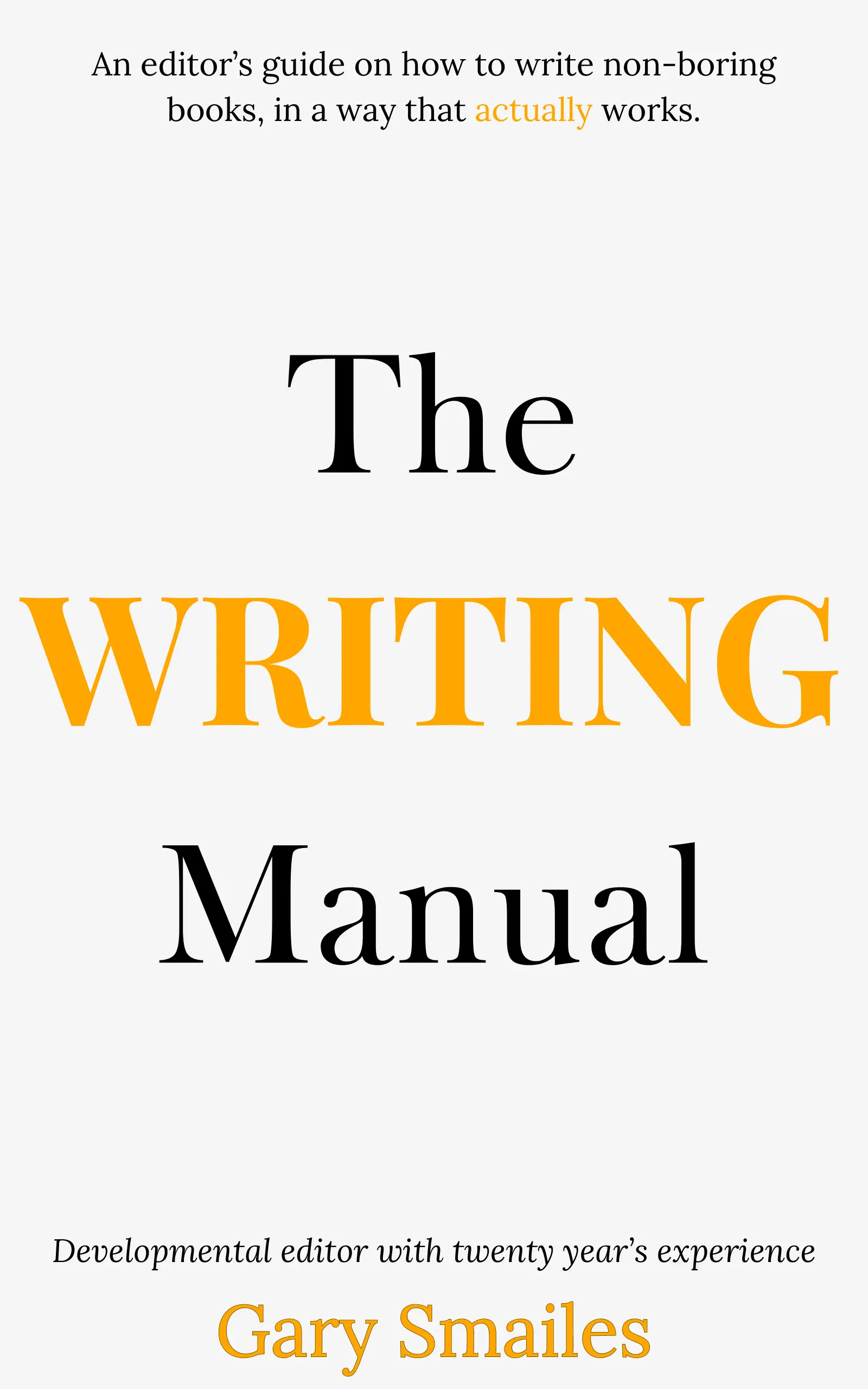
Claim your free eBook today and join over 25,000 writers who have read and benefited from this ebook.
'It is probably one of the best books on writing I've read so far.' Miz Bent